
You’ve probably seen “liposomal” on supplement bottles and wondered what it means. Is it just marketing jargon, or does it genuinely make a difference in how your body uses nutrients? If you’re looking for ways to maximize the benefits of your wellness routine, understanding this delivery system is a game-changer.
This guide will break down the science of liposomal supplements in simple terms. We’ll explore how they work, why they can be more effective for certain nutrients, and what to look for when choosing a high-quality product. You’ll leave with practical knowledge to make informed decisions about your health.
What Exactly Are Liposomes?
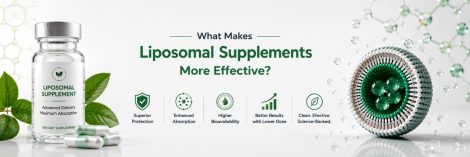
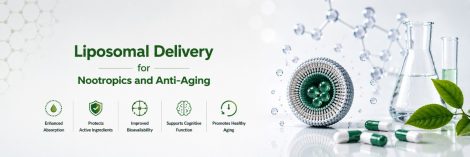
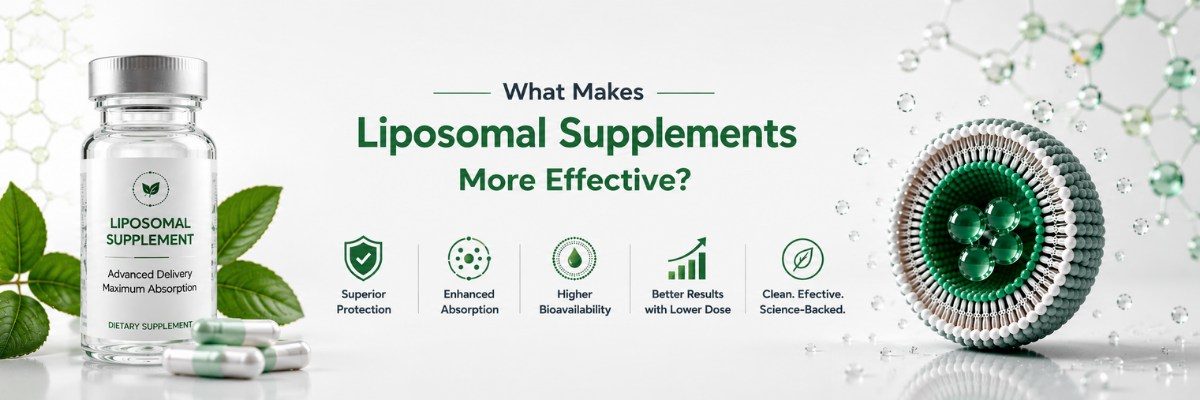
Think of a liposome as a tiny, protective bubble. It’s a microscopic sphere made from phospholipids, the same natural fats that form your own cell membranes. These bubbles are designed to carry a payload—in this case, vitamins, minerals, or other compounds—safely through your digestive system.
The structure is a clever bit of natural engineering. The phospholipid bilayer has a water-loving (hydrophilic) head and a water-fearing (hydrophobic) tail. This allows it to encapsulate both water-soluble nutrients (like Vitamin C) in its core and fat-soluble nutrients (like Curcumin) within its membrane, shielding them from the harsh environment of your stomach.
How Liposomal Encapsulation Boosts Effectiveness
Traditional supplements, like tablets and capsules, face a difficult journey. When you swallow one, it must survive stomach acid, digestive enzymes, and processing by the liver before it can reach your bloodstream. During this process, a significant portion of the nutrients can be broken down and lost.
Liposomal technology offers a solution to this problem by improving two key factors: protection and absorption.
1. Protection from a Harsh Environment
The liposomal sphere acts like a bodyguard for the nutrient it carries. It shields the active ingredient from being degraded by stomach acid and enzymes. This means more of the nutrient arrives in your intestines intact and ready for absorption, which is a major advantage over unprotected supplements.
2. Enhanced Absorption and Bioavailability
Once the liposome reaches your small intestine, its magic really begins. Because it’s made of the same material as your body’s cells, it can easily fuse with the intestinal cells to deliver its contents directly into your bloodstream.
This bypasses many of the usual absorption roadblocks, leading to significantly higher bioavailability. Bioavailability is simply the measure of how much of a substance actually enters your circulation and becomes available for your body to use. With liposomal delivery, you get more impact from a smaller dose because less is wasted.
Which Nutrients Benefit Most from Liposomal Delivery?
While not every supplement needs to be liposomal, this technology is particularly beneficial for certain nutrients that are notoriously difficult for the body to absorb or are sensitive to degradation.
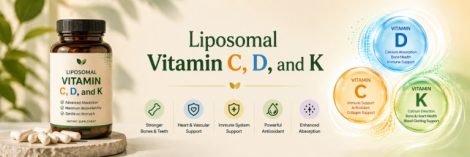
- Vitamin C: As a water-soluble vitamin, Vitamin C is quickly flushed from the body and can cause digestive upset in high doses. Liposomal Vitamin C is absorbed more efficiently, allowing for higher, more sustained levels in the blood without stomach discomfort.
- Glutathione: Often called the body’s “master antioxidant,” glutathione is a protein that is largely broken down by stomach acid when taken orally. Liposomal encapsulation protects it, enabling it to reach the bloodstream where it can be used.
- Curcumin: This is the active compound in turmeric, known for its powerful antioxidant properties. However, it has very low bioavailability. Liposomal delivery helps shuttle more curcumin into your system, enhancing its potential benefits.
- Coenzyme Q10 (CoQ10): This fat-soluble compound is crucial for energy production but is difficult for the body to absorb. Encapsulating it in a liposome improves its uptake, making it more effective.
Liposomal vs. Standard Supplements: A Quick Comparison
When comparing a liposomal supplement to a standard one, the key difference is efficiency. A standard supplement might contain a high dose of a vitamin, but only a fraction of it may survive digestion and get absorbed. In contrast, a liposomal version might have a lower dose, but a much higher percentage of it reaches your cells. It’s a matter of working smarter, not harder. You’re getting better value and more predictable results because you’re losing less of the active ingredient along the way.
Myths and Limitations: What to Know
While effective, liposomal technology isn’t a magic bullet. It’s important to separate the facts from the hype.
- Myth: All liposomal supplements are created equal. This is false. Quality varies dramatically between brands, depending on manufacturing processes, particle size, and the quality of the phospholipids used.
- Myth: You need every supplement to be liposomal. Not true. Many nutrients, like certain minerals and B vitamins, are readily absorbed by the body without special delivery systems. Liposomal delivery is most useful for compounds with known absorption challenges.
- Limitation: Liposomal supplements are often more expensive. The advanced manufacturing process required to create stable, effective liposomes costs more. You are paying for the technology that increases bioavailability.
A Buyer's Guide: How to Choose a Quality Liposomal Product
Navigating the supplement aisle can be confusing. Here are key quality indicators to look for to ensure you’re buying an effective product.
1. Check the Particle Size
For liposomes to be absorbed effectively, they need to be incredibly small. Look for products that specify a small particle size, typically in the range of 50 to 200 nanometers (nm). Vague terms like “nano-sized” are not enough; reputable brands will often provide this specific data.
2. Identify the Phospholipid Source
The quality of the “bubble” matters. The phospholipids should come from a clean, non-GMO source. The most common sources are soy lecithin and sunflower lecithin. If you have a soy allergy, a product made from sunflower lecithin is the better choice. The label should clearly state the source.
3. Look for Third-Party Testing
Trustworthy brands validate their products through independent, third-party labs. This testing confirms the purity, potency, and stability of the supplement. A seal from an organization like NSF, USP, or a certificate of analysis (COA) available on the company’s website is a great sign of quality.
4. Read the Label Carefully
Don’t just look at the front of the bottle. Turn it over and examine the “Supplement Facts” panel.
- Check the dosage: Note the amount of the active ingredient per serving.
- Look for “liposomal blend” or “liposome proprietary blend”: See how much phospholipid content is listed. A higher amount often indicates a more robust liposomal structure.
- Scan for unnecessary fillers: Avoid products with artificial colors, sweeteners, and unnecessary binders.
Practical Tips for Using Liposomal Supplements
To get the most out of your investment, follow these simple guidelines.
Dosage and Timing: Always follow the dosage instructions on the product label. Many liposomal supplements are in liquid or gel form and can be taken directly or mixed into a cool beverage like water or juice. Taking them on an empty stomach can sometimes speed up absorption, but it’s not always necessary.
- Storage and Shelf Life: Heat, light, and air are enemies of liposomes. Store your supplements in a cool, dark place. Most liquid liposomal products require refrigeration after opening to maintain stability. Be sure to check the label for specific storage instructions and use the product before its expiration date.
Safety and When to Consult a Professional
Liposomal supplements are generally considered safe for most people. The phospholipids used are natural substances already found in the body and in common foods.
However, it’s always wise to consult with a healthcare professional before starting any new supplement regimen, especially if you:
- Are pregnant or breastfeeding
- Have a pre-existing medical condition
- Are taking prescription medications
A professional can provide personalized advice and help you determine if a particular supplement is right for you.
Frequently Asked Questions
1. Are liposomal supplements worth the extra cost?
For nutrients with poor bioavailability like curcumin, glutathione, or high-dose Vitamin C, they can be. You are paying for a more efficient delivery system that ensures more of the nutrients get into your system. For other nutrients, a standard form may be sufficient.
2. How can I tell if a product is truly liposomal?
Look for the quality indicators mentioned above: specific particle size, a stated source of phospholipids, and third-party testing. A true liposomal product is a liquid or gel emulsion, not a dry powder in a capsule (unless it’s a specialized formulation).
3. Are there any side effects?
Side effects are rare and typically mild, such as digestive discomfort if taken in very large quantities. Because they improve absorption, liposomal supplements reduce the risk of gastrointestinal upset sometimes caused by high doses of standard supplements like Vitamin C.
The Takeaway
Liposomal technology represents a significant step forward in supplement effectiveness. By protecting nutrients from digestion and enhancing their absorption into your cells, it helps you get the maximum benefit from your investment in your health. While not necessary for every nutrient, it provides a powerful advantage for specific compounds that the body struggles to absorb on its own.
By choosing high-quality products and using them correctly, you can harness the power of liposomal delivery to support your wellness goals more effectively.