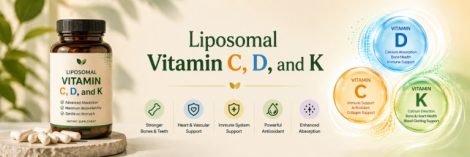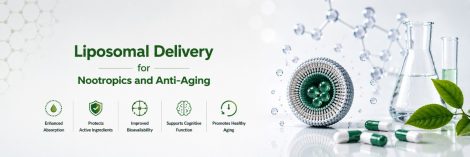

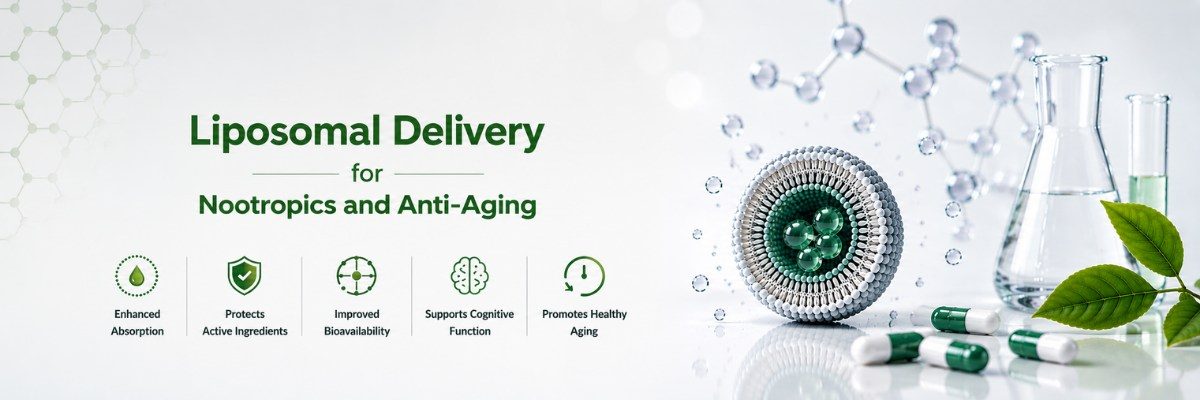
Many promising compounds for brain health and graceful aging face a significant hurdle: bioavailability. Simply put, a large portion of what you consume may never reach its target in your body. This is where advanced delivery systems come into play. Liposomal delivery technology offers a sophisticated solution to this problem, aiming to protect active ingredients and enhance their absorption.
This article will explore the science behind liposomes. We’ll examine how they work, their specific applications for popular nootropics and anti-aging compounds, and what to look for when choosing a quality supplement.
What You'll Learn:
- How liposomes protect and transport active ingredients.
- The difference between liposomal and standard supplements.
- Key benefits for compounds like resveratrol, CoQ10, and NAD+ precursors.
- Practical tips for reading labels and understanding quality.
What Are Liposomes?
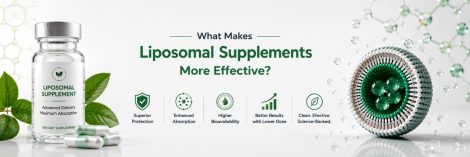
At their core, liposomes are tiny, bubble-like vesicles made from phospholipids—the same molecules that form your own cell membranes. A phospholipid has a water-loving (hydrophilic) head and a water-fearing (hydrophobic) tail. When placed in water, these molecules spontaneously arrange themselves into a double layer, or “bilayer,” creating a hollow sphere.
This unique structure allows a liposome to encapsulate different types of compounds:
- Water-soluble compounds (like Vitamin C or Glutathione) can be held within the watery core.
- Fat-soluble compounds (like Curcumin or CoQ10) can be embedded within the fatty bilayer itself.
This encapsulation acts like a protective shield, escorting the active ingredient safely through the harsh environment of your digestive system.
How Liposomal Delivery Enhances Absorption uv
The primary advantage of liposomal delivery is its ability to dramatically improve bioavailability. Here’s how it achieves this.
Protection Through the GI Tract
The stomach is an acidic environment designed to break down substances. Many delicate compounds are degraded by stomach acid or digestive enzymes before they can even be absorbed. Liposomes shield their payload from this acidic breakdown, ensuring more of the active ingredient arrives intact in the small intestine, where absorption occurs.
Bypassing First-Pass Metabolism
After being absorbed in the intestine, many compounds travel directly to the liver via the portal vein. The liver, your body’s main detoxification center, often metabolizes a significant portion of these compounds in a process called “first-pass metabolism.” This can render them inactive before they ever enter systemic circulation.
Because liposomes are composed of phospholipids, the body recognizes them as fats. They are primarily absorbed through the lymphatic system, bypassing the liver’s first-pass effect. This allows a much higher concentration of the active ingredient to reach the bloodstream and, ultimately, your cells.
Enhanced Cellular Uptake
The journey doesn’t end in the bloodstream. For a compound to be effective, it must get inside your cells. Since liposomes are made of the same material as cell membranes, they can fuse directly with cells, delivering their contents efficiently into the cell’s interior. This direct-delivery mechanism is far more effective than the passive diffusion required by many non-liposomal compounds.
Key Applications in Nootropics and Anti-Aging
Liposomal technology is particularly beneficial for compounds that are notoriously difficult for the body to absorb.
Nootropics (Cognitive Enhancers)
- Curcumin: The active compound in turmeric has poor water solubility and is rapidly metabolized. Liposomal encapsulation helps it bypass these hurdles to support cognitive and inflammatory health.
- Resveratrol: This powerful antioxidant found in grapes suffers from extensive first-pass metabolism. Liposomal forms allow more of it to enter circulation.
- Phosphatidylserine (PS): A key phospholipid for brain cell health, PS is already a component of cell membranes. Delivering it in a liposome can facilitate its integration into neural tissues.
- Coenzyme Q10 (CoQ10): This fat-soluble molecule is crucial for cellular energy production but has low oral bioavailability. Liposomes improve its absorption.
Anti-Aging Compounds
- Glutathione: Often called the body’s “master antioxidant,” glutathione is a tripeptide that is heavily broken down in the stomach. Liposomal delivery protects it, allowing for better absorption.
- NAD+ Precursors (NMN & NR): Nicotinamide adenine dinucleotide (NAD+) is vital for cellular energy and repair. Its precursors, Nicotinamide Mononucleotide (NMN) and Nicotinamide Riboside (NR), can be unstable. Liposomes help ensure they arrive intact to support cellular NAD+ levels.
- Vitamins C and E: While Vitamin C is water-soluble and Vitamin E is fat-soluble, both benefit from liposomal delivery. It enhances their absorption and allows them to work synergistically within the liposomal structure.
Liposomal vs. Other Delivery Systems
How do liposomes stack up against standard supplements and other technologies?
- Non-Liposomal Forms: Standard pills and powders rely on the active ingredient surviving the GI tract and liver on its own. For many compounds, this results in very low bioavailability, with a large percentage of the dose being excreted without effect.
- Micelles: Like liposomes, micelles are spherical structures that can encapsulate compounds. However, they are composed of a single layer of lipids (not a bilayer) and are generally better suited for improving the solubility of fat-soluble ingredients rather than offering the same level of protection and cellular delivery.
- Nanoparticles: This is a broad category that includes liposomes. Other types, like polymer-based nanoparticles, exist but are more common in pharmaceutical research than in dietary supplements. Liposomes are favored for supplements due to their natural composition and excellent safety profile.
How to Choose a Quality Liposomal Supplement
Not all liposomal products are created equal. The market is filled with varying levels of quality, and it’s important to know what to look for on a label.
Key Quality Markers
- Phospholipid Source and Type: High-quality products use purified phospholipids, often derived from sunflower or soy lecithin. Look for the percentage of phosphatidylcholine (PC), the primary phospholipid used, as higher concentrations often indicate better quality.
- Particle Size: For optimal absorption, liposomes should be small and uniform in size, typically in the range of 50 to 200 nanometers (nm). Some manufacturers provide third-party analysis confirming particle size distribution.
- Third-Party Testing: Reputable brands will test their products for identity, purity, and potency. Look for certifications from independent labs that confirm the product contains what the label claims and is free from contaminants.
- No Unnecessary Fillers: Check the “other ingredients” list. High-quality formulations avoid artificial colors, sweeteners, and unnecessary preservatives. Natural flavors and preservatives like vitamin E or sea buckthorn oil are better signs.
Practical Considerations
- Taste and Texture: Liposomal liquids can have a distinct, slightly oily texture. The taste varies greatly depending on the active ingredient and any natural flavorings used.
- Storage: Most liposomal products require refrigeration after opening to maintain the stability of the phospholipids and prevent degradation. Always follow the storage instructions on the label.
- Dosing: Due to enhanced bioavailability, the required dose of a liposomal active may be lower than its non-liposomal counterpart. Follow the product’s recommended dosage unless advised otherwise by a healthcare professional.
Potential Side Effects and Safety
Liposomal supplements are generally considered safe, as their primary components (phospholipids) are natural to the body. However, some individuals may experience mild gastrointestinal discomfort, such as bloating or stomach upset, especially when first starting.
It is always wise to consult with a clinician before beginning any new supplement regimen, particularly if you:
- Are you pregnant or breastfeeding?
- Have a pre-existing medical condition.
- Take prescription medications, as potential interactions can occur.
The State of Liposomal Research
Much of the foundational research on liposomes comes from the pharmaceutical field, where they are used for targeted drug delivery. The evidence for their ability to enhance the bioavailability of nutrients is strong, with numerous in vitro (lab) and animal studies demonstrating superior absorption.
Human clinical trials on liposomal supplements are growing but still lag behind other areas of research. More studies are needed to fully confirm the long-term health outcomes of specific liposomal formulations. Additionally, regulatory bodies do not evaluate dietary supplements for efficacy, so health claims must be approached with a discerning eye.
Summary: A Powerful Tool for Targeted Nutrition
Liposomal delivery represents a significant advancement in nutritional science. By encapsulating active ingredients in a protective phospholipid sphere, this technology helps overcome the common obstacles of digestive degradation and poor absorption.
For anyone serious about maximizing the benefits of nootropics and anti-aging compounds, liposomal formulations offer a scientifically-backed method to ensure these powerful molecules get where they need to go. As with any supplement, quality is paramount. By learning to read labels and identify markers of excellence, you can make informed choices to support your wellness goals.
Ready to learn more? Explore our complete guide to choosing the best liposomal supplements for your needs.
Frequently Asked Questions (FAQ)
1. Are liposomal supplements worth the higher cost?
Given their significantly enhanced bioavailability, a lower dose of a liposomal nutrient can provide the same or greater effect as a much larger dose of a standard supplement. For many, this makes the cost-per-effective-dose a worthwhile investment.
2. Can I just take lecithin with my regular supplements to get the same effect?
No. Simply taking phospholipids (like lecithin) alongside a supplement does not create liposomes. The complex manufacturing process requires specific equipment and conditions to properly encapsulate the active ingredients.
3. Are there any compounds that don't benefit from liposomal delivery?
Yes. Minerals and other compounds that are already highly bioavailable and stable in the digestive system may not see a significant benefit from liposomal encapsulation. The technology is most useful for delicate, unstable, or poorly absorbed molecules.
4. How can I tell if a product is truly liposomal?
Look for transparency from the manufacturer. Reputable brands often provide details about their process, phospholipid source, and may offer certificates of analysis showing particle size. Be wary of brands that simply mix an ingredient with lecithin and call it “liposomal.”
5. Do liposomes have any taste?
The phospholipids themselves have a neutral, slightly oily taste. The final taste of the product is determined by the active ingredient and any added natural flavorings. For example, liposomal glutathione can have a sulfuric taste, while liposomal vitamin C is often tart.