
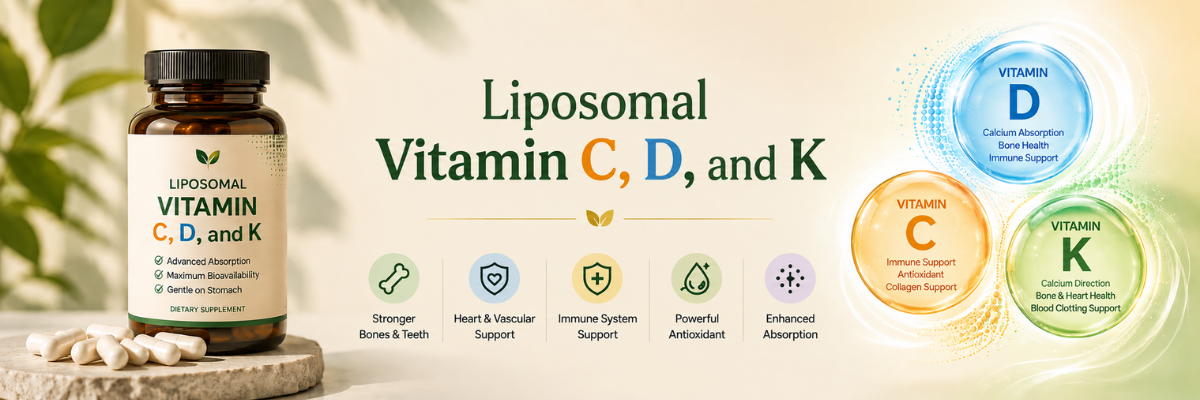
Navigating the world of nutritional supplements can feel complex. With so many options available, it’s hard to know which ones truly deliver on their promises. While individual vitamins are powerful, combining certain nutrients can unlock even greater benefits. A standout trio—Vitamins C, D, and K—works together in remarkable ways to support your overall health.
When delivered in an advanced liposomal form, this combination becomes even more effective. This article explores the science behind liposomal delivery, the individual roles of these essential vitamins, and how their synergy can elevate your daily wellness routine. We will cover how this dynamic team supports everything from your bones and heart to your immune system.
What Are Liposomal Supplements?
Before we dive into the vitamins themselves, let’s understand the delivery system that makes them so effective. Traditional supplements can face a tough journey through your digestive system. Stomach acid and enzymes can break them down before they even reach your bloodstream, limiting how much your body can actually use. This is where liposomal technology changes the game.
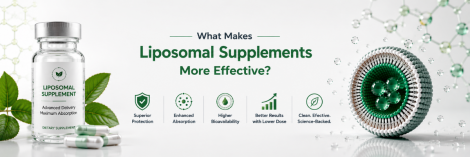
Liposomes are tiny, spherical vesicles made from phospholipids—the same materials that form your cell membranes. In a liposomal supplement, the active ingredient (like Vitamin C, D, or K) is encapsulated within this protective phospholipid bubble.
Why does this matter?
- Protection: The liposomal shell shields the vitamin from the harsh environment of the stomach.
- Enhanced Absorption: Because liposomes resemble your body’s own cells, they can fuse directly with the cells in your intestine. This allows the encapsulated vitamin to be delivered directly into your bloodstream, bypassing common absorption barriers.
- Improved Bioavailability: Bioavailability refers to the proportion of a nutrient that enters circulation and has an active effect. By protecting the vitamin and enhancing its absorption, liposomal delivery significantly increases bioavailability compared to many conventional pills and powders.
Essentially, liposomal technology ensures that more of the vitamin gets where it needs to go, allowing your body to reap the full benefits.
The Power Players: Roles of Vitamins C, D, and K
Each of these vitamins is a powerhouse on its own. Understanding their individual functions is the first step to appreciating their combined strength.
Vitamin C: The All-Around Protector
Vitamin C is arguably one of the most well-known vitamins, and for good reason. It’s a water-soluble nutrient with a wide range of critical functions.
- Potent Antioxidant: Vitamin C neutralizes harmful free radicals, which are unstable molecules that cause oxidative stress and damage cells. This antioxidant action helps protect your body at a cellular level.
- Immune System Support: It is essential for the production and function of white blood cells, which are your body’s frontline defenders against pathogens.
- Collagen Production: Vitamin C is a necessary cofactor for building collagen, the primary structural protein in your skin, bones, cartilage, and blood vessels. Without enough Vitamin C, your body can’t produce this vital protein.
Vitamin D: The Sunshine Vitamin
Often called the “sunshine vitamin” because your skin produces it in response to sunlight, Vitamin D is a fat-soluble vitamin that acts more like a hormone in the body.
- Bone Health: Its most famous role is facilitating calcium absorption from the gut. Without adequate Vitamin D, your body cannot effectively use the calcium you consume, which is critical for strong bones.
- Immune Modulation: Vitamin D plays a key role in regulating the immune system, helping to balance immune responses and keep it functioning properly.
- Mood and Muscle Function: Emerging research continues to highlight its importance in supporting a stable mood and maintaining healthy muscle function.
Vitamin K: The Director
Vitamin K is another fat-soluble vitamin that is gaining recognition for its crucial and specific roles, particularly its K2 form.
- Calcium Metabolism: While Vitamin D helps you absorb calcium, Vitamin K2 (specifically as MK-7) tells that calcium where to go. It activates proteins that direct calcium into your bones and teeth, where it belongs.
- Cardiovascular Health: Just as importantly, Vitamin K2 helps prevent calcium from accumulating in soft tissues like your arteries. This process is vital for maintaining flexible and healthy blood vessels.
- Blood Clotting: Vitamin K1 is well-known for its essential role in producing the proteins necessary for normal blood clotting.
The Synergy: Better Together
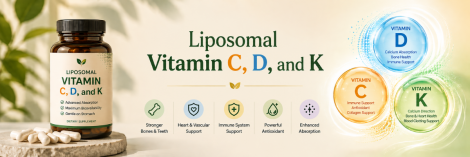
When you combine Vitamins C, D, and K, their individual benefits are amplified. They work in a coordinated effort, creating a synergistic effect that supports several key areas of health.
1. Superior Bone Health
A strong skeletal system is more than just calcium. This vitamin trio creates a comprehensive support system for your bones.
- The D & K Partnership: Vitamin D pulls calcium into the body, and Vitamin K2 directs it into the bone matrix. Without K2, the absorbed calcium could end up in the wrong places.
- The Role of Vitamin C: Vitamin C is required to create the collagen framework of your bones. Think of collagen as the flexible “rebar” that gives your bones resilience, while calcium is the “concrete” that provides hardness and density. All three are needed for a strong, healthy structure.
2. Robust Immune Function
A well-functioning immune system is your best defense. Vitamins C and D are both celebrated for their immune-supportive properties, and they work together to provide balanced protection.
- Vitamin C supports the production of pathogen-fighting immune cells.
- Vitamin D acts as an immune modulator, helping to ensure your immune system responds appropriately without overreacting.
- Combined, they offer a two-pronged approach: one to power up your defenses and the other to keep them smart and balanced.
3. Enhanced Cardiovascular Wellness
Heart health depends on flexible arteries and proper mineral balance. The D and K partnership is central to this.
- By ensuring calcium is deposited in bones instead of arteries, Vitamin K2 directly supports cardiovascular health.
- Vitamin C contributes by supporting the production of collagen, which is essential for maintaining the integrity and flexibility of your blood vessels. This combination helps keep your circulatory system running smoothly.
Who Might Benefit from a C, D, & K Combination?
While this combination can support general wellness for many, certain individuals may find it particularly beneficial.
- Adults are concerned with bone density, especially as they age.
- Individuals seeking robust immune support, particularly during seasonal changes.
- People with limited sun exposure may have difficulty producing enough Vitamin D.
- Those looking to support their cardiovascular health proactively.
- Anyone seeking to maximize nutrient absorption through an advanced delivery system.
Dosage, Safety, and Stacking
Dosages in supplements vary, but common ranges for a combined liposomal formula might be:
- Vitamin C: 500–1000 mg
- Vitamin D3: 1000–5000 IU (25–125 mcg)
- Vitamin K2 (as MK-7): 90–120 mcg
Important Safety Note: People taking anticoagulant medications (blood thinners) like warfarin should consult their healthcare provider before taking any supplement containing Vitamin K, as it can interfere with the medication’s effectiveness. Always talk to a trusted health professional before starting any new supplement regimen to determine what is right for you.
For timing, taking your liposomal supplement with a meal that contains some fat can further aid the absorption of the fat-soluble vitamins D and K.
How to Choose a Quality Liposomal Product
Not all liposomal supplements are created equal. When reading labels, look for these signs of quality:
- Source of Phospholipids: The label should specify the source, often non-GMO sunflower lecithin.
- Clear Dosage Information: The amount of each vitamin should be clearly listed.
- No Unnecessary Fillers: Look for a clean ingredient list without excessive artificial flavors, colors, or sweeteners.
- Third-Party Testing: Reputable brands often have their products tested by an independent lab to verify purity and potency. This provides an extra layer of assurance.
Frequently Asked Questions (FAQs)
Q: Can I get enough of these vitamins from food?
A: A balanced diet is foundational. Vitamin C is found in citrus fruits and leafy greens. Vitamin K2 is in fermented foods and grass-fed animal products. However, obtaining optimal levels of Vitamin D from food is difficult, and many people fall short. A supplement can help fill these nutritional gaps.
Q: Why is the K2 form MK-7 specified?
A: MK-7 is a highly bioavailable form of Vitamin K2 that stays active in the body for a longer period than other forms, like MK-4. This makes it more effective at directing calcium and supporting bone and cardiovascular health.
Q: Is it possible to take too much?
A: While it’s difficult to get too much Vitamin C (it’s water-soluble and excess is excreted), fat-soluble vitamins like D and K are stored in the body. It is important to stick to recommended dosages and consult a healthcare provider, who can perform blood tests to check your levels.
A Smarter Approach to Wellness
Combining Vitamins C, D, and K in a liposomal formula offers a powerful, synergistic approach to supporting your everyday wellness. By enhancing absorption and ensuring these essential nutrients work together, you can provide comprehensive support for your bones, immune system, and heart.
As with any health choice, knowledge is power. Understanding how these vitamins function and interact allows you to make informed decisions for your long-term vitality. If you are looking to optimize your supplement routine, this dynamic trio is certainly worth considering.
Ready to explore how advanced nutrition can support your health goals? We encourage you to discuss your needs with a healthcare professional to see if a liposomal Vitamin C, D, and K supplement is the right fit for you.