

Creating effective immune support supplements is a burning topic right now, isn’t it? A strong body is what many people strive for, especially when it comes to avoiding common sicknesses. Think of the relief from never having another urinary tract infection or cold. If you’re a brand owner, you probably want to offer products that truly help your customers achieve a strong immune response. Making a valuable dietary supplement is easier with this guide. It provides practical advice to help you succeed.
You want science-backed products made well, and that’s what we aim for. This is especially vital for immune support against things like respiratory illnesses. For any immune support formula, the ingredients must be carefully chosen, the dosages must be precise, and the overall quality needs to be excellent. This is non-negotiable for efficacy. Crafting a guide to help you develop effective Purensm immune support supplements requires careful consideration. The goal? Supplements that genuinely improve health.
Understanding Immune Health and Supplements
Your immune system is your body’s sophisticated defense force, a complex network of cells, tissues, and organs. Working non-stop, it protects you from a huge number of disease-causing invaders. Think bacteria, viruses—the whole nasty crew. This system’s rapid response to threats depends on specialized white blood cells; crucial among them are natural killer cells.
In our busy lives, providing the body with support for immune health has become more important. A weakened immune system, a result of chronic stress, poor nutrition, and insufficient rest, makes you more susceptible to upper respiratory infections. Think of it like this: your body’s defenses are down, leaving you open to attack. Lots of people seek extra help boosting their immune systems, particularly during harsh winters or when they’re around lots of germs that cause respiratory infections.
A healthy immune system gets a boost from dietary supplements; they offer essential nutrients and beneficial compounds. Look for vitamins, minerals, or botanicals—these can help your body fight off infections and bounce back from respiratory problems faster. Think of supplements as helpers, not replacements, for a healthy lifestyle. They won’t cure or stop diseases—like a nasty respiratory infection.
Your body’s defense system has two key branches. the innate immune system and the adaptive immune system. The innate system provides immediate, non-specific defense, while the adaptive immune system develops a targeted response and memory to specific pathogens it has encountered before. A strong immune system depends on good food and maybe some supplements. This helps your body fight off illness and protects your lungs.
Key Considerations Before You Start Formulating
Before any supplement ingredients are combined, thoughtful planning is essential for success. Improving your product? Think carefully about these key points for better results. You’ll see the difference. It’s about being clear on who your dietary supplement is intended for and what specific health support you aim to provide.
Defining Your Target Audience
Who are you creating this immune support supplement for? Is it for busy professionals managing stress, active athletes requiring recovery support, older adults with changing immune needs, or perhaps specific age groups of children? Each demographic has distinct physiological needs and potential vulnerabilities; for example, children might be more prone to tract infections that lead to school absences.
An athlete might need support for recovery and to manage exercise-induced immune suppression, focusing on ingredients that help reduce damage caused by intense physical activity. An older person might benefit from ingredients addressing immunosenescence, the natural age-related decline in immune function, or those supporting specific cell activity. Understanding your audience guides your choice of supplement ingredients, dosages, and even the form of the dietary supplements you develop, such as easily consumable chewable tablets for younger or older users.
Setting Clear Product Goals
What specific aspect of immune health will your supplement focus on? Do you want to offer general daily support for a strong immune system, or something targeted for seasonal sniffles and the common cold? Maybe we want to help the body handle stress better. Or maybe the focus is on keeping your lungs healthy when you’re more likely to catch a cold.
You will also want to consider the product format carefully. Capsules are common and allow for precise dosing, but powders, liquids, or even gummies might be more suitable for your target audience or the chosen immune formula. Your immune health depends on it! The decisions made about ingredients, how the supplement is made, and how well it holds up all affect the final product. This includes everything from the initial ingredient selection to the final packaging.
Understanding Regulatory Landscapes
Dietary supplements are regulated by the Food and Drug Administration (FDA) in the United States. The Dietary Supplement Health and Education Act of 1994 (DSHEA) outlines many of the rules governing manufacturing, labeling, and marketing. Compliance and safe products? Understanding these regulations is essential.
Good Manufacturing Practices (GMPs) are also critical. Dietary supplement production, processing, and packaging all follow strict quality guidelines. Safe food and happy customers? GMP helps you get both. Following GMP means consistent production of a product that’s exactly as advertised, which builds consumer trust.
What you say about your product, its health claims, matters significantly. You can make “structure/function” claims, such as “supports immune health” or “helps maintain a healthy respiratory tract.” However, you cannot claim your supplement diagnoses, cures, treats, or prevents any disease, and all claims must be truthful and not misleading to avoid adverse events or regulatory scrutiny. Proper claim substantiation is essential, often drawing from scientific evidence like a systematic review of studies or results from a randomized controlled trial.
Popular and Effective Ingredients for Immune Support
There is a wide array of ingredients studied for their immune-supporting properties. Choosing the right ones depends on your product goals, target audience, and the specific immune activation pathways you wish to influence. Several well-researched options for a strong immune system are available; let’s check them out.
Vitamins
Vitamins are essential organic compounds that our bodies need in relatively small amounts for normal physiological functions, including a robust immune response. Immune support products frequently include vitamins because of their important role in a healthy immune system. Your body’s defenses need these vitamins to stay strong, especially during an infection. Think of it like fuel for your immune system – a urinary tract infection will be easier to fight off with the right vitamins.
Vitamin C, or ascorbic acid, is perhaps the most famous immune vitamin. Free radicals damage cells? Not with this stuff! This powerful antioxidant acts as a shield, and it even gives your white blood cells and other immune cells a helpful boost. Vitamin C is important for reducing oxidative stress; you can find information on this from the NIH.
Vitamin D is another significant nutrient, sometimes called the “sunshine vitamin” because our bodies can produce it with sun exposure. Many people do not get enough Vitamin D, especially during winter months, and low levels are linked to an increased risk of infections, including upper respiratory tract infections. Did you know the NIH provides excellent resources explaining vitamin D’s many jobs? It helps your body fight off infections and keeps your cells functioning properly.
Protecting cell membranes from harm is vital for a healthy immune system. Vitamin E, an antioxidant, does just that. B6, B12, and folate—these B vitamins are vital for a strong immune system. Innate and adaptive immunity depend on these components. They’re crucial for creating and functioning immune cells such as lymphocytes and antibodies.
Minerals
Your body needs minerals—inorganic elements—to function properly. A healthy immune system depends on them. Minerals are like vitamins; they help your body fight off germs. Respiratory and other infections become harder to fight when your body lacks these essential minerals.
Normal development and function of immune cells, including natural killer cells and T-lymphocytes, depend on zinc. A little bit of zinc deficiency can weaken your immune system, so many people take zinc to help boost their immunity. The Zinc’s role is explained by the NIH. Your immune system relies on many enzyme reactions to stay strong. These reactions are essential for fighting off common viruses, such as those that cause colds.
Your immune system needs selenium; this antioxidant mineral reduces oxidative stress. Adding selenium to your diet through supplements could give your cells a boost. Inflammation is regulated, and the immune response to viruses gets a boost. Iron is needed for immune cell growth and proliferation, but its levels must be carefully balanced, as too much iron can be harmful and may even support pathogen growth.
The power of plants: botanicals and herbal extracts
Herbal remedies, drawn from plants, have been a cornerstone of healthcare in various societies for hundreds of years. Think of ancient China, or traditional Native American medicine. These traditions show the enduring power of plants to help people. Traditional healing methods are under the microscope. Scientists are identifying specific components within these remedies—components capable of directly impacting our immune response. For example, a compound found in a certain plant may strengthen the body’s ability to fight off infection. Many botanicals and their extracts contain potent natural products with antimicrobial substances or immunomodulatory properties.
Many people use Echinacea at the first sign of a cold or sniffles. Studies show it might help ease symptoms. Lots of people use elderberry extract, a botanical brimming with anthocyanin antioxidants. Research suggests it could shorten how long you’re sick with the flu, making it a go-to for seasonal health products. Boosting your immune system? Astragalus, an adaptogen used in traditional Chinese medicine, might be helpful. It’s believed to regulate your immune responses and improve your body’s ability to handle stress, making it a valuable component in formulas for long-term immune support.
Some studies show that Andrographis paniculata, a helpful herb, may ease cold and respiratory infection symptoms. It might even lessen how sick you get. Garlic, with its active compound allicin, has a long and storied history of supporting immune function and providing antimicrobial effects. Turmeric, containing the active compound curcumin, is well-known for its potent anti-inflammatory properties, which can indirectly support immune balance and help manage inflammation associated with immune activation or infection.
Probiotics and Prebiotics
Did you know that a significant portion of your immune system resides in your gut? This intricate connection is often called the gut-immune axis. The trillions of microorganisms in your gut—your gut microbiome—have a big job: training and managing your body’s defenses against illness.
Probiotics are live bacteria and yeasts; the right amount helps your gut stay healthy and strengthens your immunity. The health of your gut microbiome is directly related to how well your immune system works. It’s a two-way street; a healthy gut supports a strong immune system, and a strong immune system helps maintain a healthy gut. This includes both localized gut immunity and overall body-wide immunity. The connection between gut health and immunity is getting clearer. Specific probiotic strains look promising in improving the body’s defenses and reducing the severity of illnesses. For example, *Lactobacillus rhamnosus* GG has shown positive results in studies.
Friendly gut bacteria love to munch on prebiotics! These are indigestible fibers that act like food, helping the good bacteria grow and reproduce. When selecting probiotics for an immune formula, the specific strains matter significantly, as different probiotic strains have different characteristics and health effects. Documented benefits often come from well-conducted randomized controlled trials on specific strains for conditions like reducing the incidence of upper respiratory tract infections or modulating the immune response.
Other Key Compounds
Beyond vitamins, minerals, and traditional herbs, other compounds show promise for providing effective immune support. This blend uses multiple approaches. It’s a complete formula because the effects of each ingredient build on each other. Making dietary supplements to improve immunity? Consider adding these; they can be quite helpful in strengthening different parts of the immune system.
Certain immune cells, such as macrophages and natural killer cells, get a boost from beta glucan. This soluble fiber lives in the cell walls of yeast, mushrooms, oats, and barley. Immune system activation leads to a more effective defense against harmful bacteria and viruses; think of it like adding extra soldiers to your body’s army. Free radicals are cell-damaging troublemakers. Luckily, quercetin—a bioflavonoid in a wide range of fruits, vegetables, and grains—fights back. Its antioxidant and anti-inflammatory properties provide significant cellular protection.
NAC, an antioxidant, helps create glutathione; this is a super important antioxidant for your body. Think of it like this: NAC helps build a really strong defense system. Think of NAC as a mucus-buster. It’s been shown to improve breathing, especially when you have a respiratory infection. Omega-3 fatty acids and other natural products are showing promise in studies on inflammation and immune function. This makes them increasingly important in dietary supplements.
The Purensm Guide to Formulating Immune Support Supplements
Now that we have covered some key ingredients, how do you actually put a supplement together? This part of our Guide to Formulating Immune Support Supplements for Purensm focuses on the practical steps involved. Dietary supplements that are both safe and effective? That’s the result of combining scientific knowledge and careful planning.
Step 1: Research and Ingredient Selection
The foundation of any good dietary supplement is solid scientific research. Look for supplement ingredients with studies backing their immune benefits, ideally from peer-reviewed journals and, where possible, human clinical trials or a systematic review of existing evidence. Think about how ingredients might work synergistically to support immune health, rather than just combining a long list of popular items.
You also want to avoid ingredients that could negatively interact with each other or with common medications. The quality, purity, and sourcing of your raw materials are extremely important; using certified organic ingredients can be a plus for certain target audiences. This is where a reliable supplier or experienced manufacturer makes a significant difference in the quality of your dietary supplement ingredients.
Step 2: Dosage and Potency
Just because an ingredient is considered beneficial does not mean more is always better. For your customers, you must carefully select a dosage that’s both potent and safe. A poorly chosen amount could lead to negative health outcomes. This needs to be considered carefully. Tests, like those with random groups, show us how much of something is needed to help, without hurting anyone.
It is helpful to understand Recommended Dietary Allowances (RDAs) and Tolerable Upper Intake Levels (ULs) for nutrients, as established by bodies like the Food and Nutrition Board. Taking the right amount prevents bad side effects from too many vitamins and minerals. It’s important to be careful! Potency refers to the strength or concentration of an active ingredient in each dose, and this must be clearly defined and consistently met.
Step 3: Considering Bioavailability and Absorption
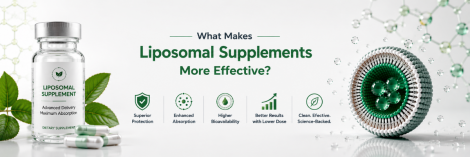
Bioavailability refers to how much of an ingested ingredient your body can actually absorb and use effectively. Some supplement ingredients are not easily absorbed on their own, which can limit their efficacy even if they are present in high doses. Better absorption and bioavailability of important ingredients are possible with clever recipe design.
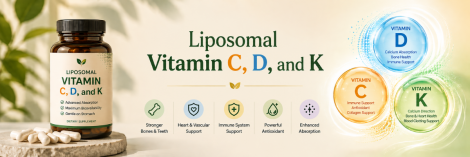
For example, piperine (an extract from black pepper) is often added to curcumin supplements. This is because piperine can significantly improve curcumin’s absorption and utilization by the body. Other techniques might involve using specific forms of nutrients (e.g., chelated minerals), employing advanced delivery systems like liposomes, or considering the timing of intake relative to meals for optimal absorption.
Step 4: Form and Delivery System
As mentioned earlier, dietary supplements come in many forms: capsules, tablets, powders, liquids, gummies, and even chewable tablets. Each delivery system has its pros and cons when it comes to formulating with various immune ingredients. For instance, some ingredients might not be stable in a liquid form for an extended period, while others might be too bulky for a standard-sized capsule if high doses are required.
Capsules and tablets are common, can hold precise doses, and often offer good stability for many dietary supplement ingredients. Powders offer flexibility in dosing and can be a good option for ingredients needed in larger amounts, easily mixed into drinks or food. Gummies are popular for their taste and ease of use, especially for children’s age groups or adults who dislike swallowing pills, but they can be tricky to formulate with high doses or certain sensitive ingredients and may contain more sugars or fillers.
You will also use “excipients” or inactive ingredients in your formulation. These substances help with the manufacturing process (e.g., flow agents), improve stability (e.g., preservatives), or enhance appearance or palatability (e.g., natural colors or flavors). It is important to choose safe, high-quality, and widely accepted excipients that do not interfere with the active ingredients or cause issues for consumers.
Step 5: Safety and Quality Control
Safety and quality are paramount in the manufacturing of any dietary supplement, particularly those intended to support health. This process begins with rigorous testing of your raw dietary supplement ingredients for identity (to confirm it’s the correct ingredient), purity (to check for contaminants), and strength (to ensure it meets potency specifications). Heavy metals, pesticides, and harmful microbes can contaminate food. Always check for them.
Many reputable brands use third-party, independent laboratories to test their finished products. Consumers gain confidence knowing the product’s strength, purity, and quality have been impartially confirmed. Testing for stability is important; we do this to verify the product’s quality and strength remain consistent throughout its shelf life. This guarantees customers receive a product that works as expected.
Allergen considerations are very important in today’s market. If your product contains common allergens like soy, dairy, gluten, tree nuts, or others, it must be clearly and accurately labeled according to regulatory standards. To avoid reactions, we have strong allergen control. This protects sensitive people from cross-contamination in our facility. Documenting processes and any adverse effects through case reports can also inform continuous improvement.
Working with a Manufacturer Like Purensm
Formulating and producing a high-quality dietary supplement involves many detailed steps, from initial concept to finished product. This is why many brands choose to partner with an experienced contract manufacturer. A good manufacturer can bring extensive expertise, specialized equipment, and established infrastructure that you might not have access to in-house.
When looking for a manufacturer, check their certifications carefully; GMP certification is a fundamental requirement, demonstrating that they follow stringent quality standards throughout their operations. Transparency in their processes, a willingness to share information about sourcing and testing, and good communication are also positive signs of a reliable partner. Creating a strong immune system formula? They’ll show you how.
Top manufacturers offer more than just production. They’ll help you refine your formula by advising on ingredient selection, determining the ideal amounts to use, choosing the right delivery system, and flagging potential problems between ingredients. From start to finish, they handle the big jobs: mass production, quality checks along the way, and final packaging that meets all the rules. Focus on your branding and marketing strategies—we’ve got product quality covered.
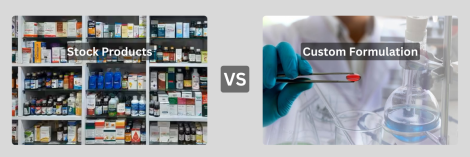
Some manufacturers offer “stock” or “white label” formulas, which are pre-developed products that you can brand as your own, offering a faster route to market. Others specialize in creating completely custom formulations from scratch, based on your specific ideas, target audience, and desired health claims for supporting immune health. Your business needs, available time, and financial resources will determine which method is best for developing your dietary supplements. Both options have their pros.
Marketing Your Immune Support Supplement Responsibly
Once you have developed a great immune support product, you need to inform people about its benefits. How you market your dietary supplement is just as important as how you make it. Compliance with regulations is crucial; honesty and responsibility are our guiding principles.
As we discussed earlier, you must make compliant health claims. This means avoiding any language that explicitly states or implies your product can diagnose, treat, cure, or prevent any disease, including conditions like an acute respiratory tract infection or the common cold. The FDA and the Federal Trade Commission (FTC) are very watchful about misleading claims, and non-compliance can lead to significant penalties.
Explain to consumers how your supplement works to strengthen their immune response. Think of it like this: a stronger immune system equals healthier customers. Explain how the chosen ingredients, at their specified dosages, work to support normal immune function, help maintain a healthy respiratory tract, or contribute to overall wellness. For lasting success, it’s vital to be completely open about your supplement’s ingredients, your manufacturing process, and the scientific evidence backing your immune formula. Happy customers become loyal customers. This translates to a healthier bottom line.
If you are selling online, you might have heard about Google’s E-E-A-T (Experience, Expertise, Authoritativeness, Trustworthiness) guidelines. These factors are used to assess website quality and credibility, especially for health-related topics. Smart supplement brands show they know their stuff with solid research and are upfront about how they work. This builds trust online, helps people choose wisely, and might even get a doctor’s recommendation.
Making a really good immune support supplement takes a lot of careful planning and many steps. Safety and quality are paramount; therefore, careful planning, expert knowledge of the immune system, and smart ingredient choices are essential. By following a comprehensive approach, such as the one outlined in this Guide to Formulating Immune Support Supplements for Purensm, brands can develop products that genuinely help people support their health responsibly and contribute to their efforts for a strong immune system.
It’s all about providing reliable dietary supplements that meet people’s needs and contribute to their well-being— far beyond simple ingredient mixing. Think about every stage of your product’s journey: ingredients, testing, and marketing. Get these right, and your brand will have a positive effect. The goal? To give your immune system a boost so it can better handle things like colds and flu, particularly during the harsh winter months or when respiratory problems hit.